The Problems With Delaying Cataract Surgery
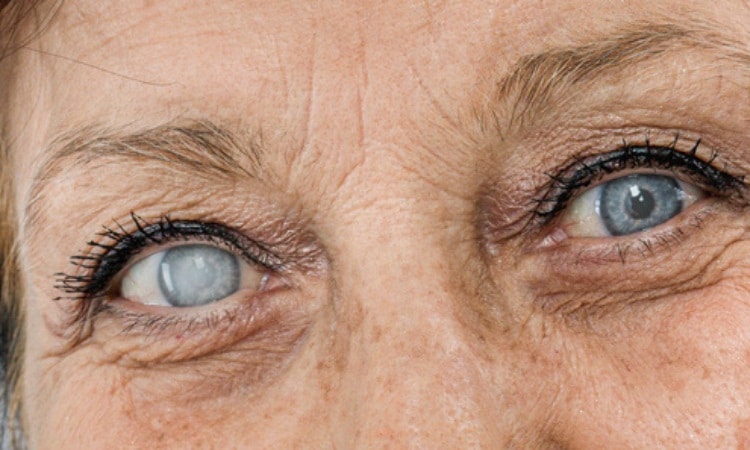
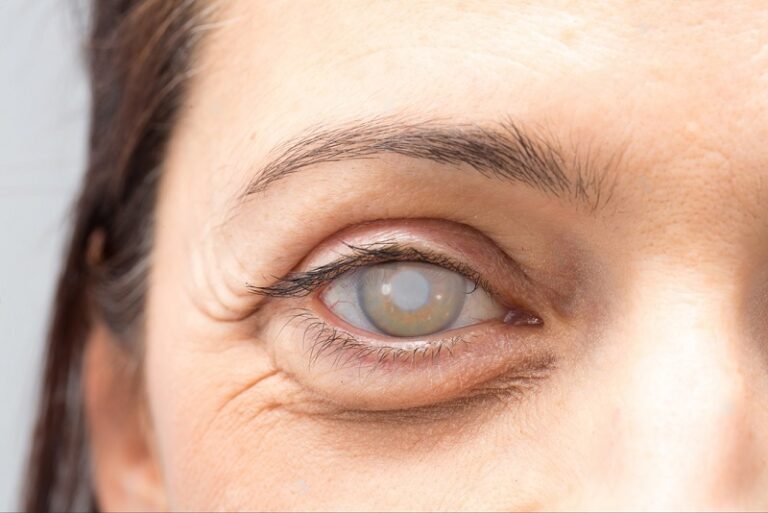
Cataracts develop slowly, which makes it tempting to “wait a little longer.” But leading academic medical centers consistently warn that postponing cataract surgery can affect safety, long‑term vision, and surgical outcomes. When cataracts progress, they don’t just blur vision — they change the structure of the lens, increase surgical complexity, and reduce quality of life.
Below is a clear, research‑supported breakdown of why delaying cataract surgery can create real problems.
1. Vision Declines in Ways That Affect Daily Life
According to Mayo Clinic, cataracts cause progressive clouding of the lens that leads to blurry vision, glare, difficulty reading, and trouble with color perception. Because the decline is gradual, many patients don’t realize how much vision they’ve lost until it significantly interferes with daily tasks.
Academic centers emphasize that cataracts do not stabilize or reverse — they continue to worsen over time.
2. Night Driving Becomes Increasingly Dangerous
Cleveland Clinic notes that glare and halos around lights are hallmark symptoms of cataracts, especially at night. As the lens becomes cloudier, headlights and streetlights scatter more intensely, making nighttime driving risky.
Patients who delay surgery often report:
- Difficulty seeing road signs
- Slower reaction times
- Avoiding driving after dark
This is one of the most common reasons people eventually seek surgery.
3. Higher Risk of Falls and Reduced Independence
Johns Hopkins Medicine highlights that impaired vision from cataracts increases the risk of falls, especially in older adults. Reduced contrast sensitivity and depth perception make it harder to navigate steps, curbs, and uneven surfaces.
Studies from major academic centers also show that untreated cataracts can contribute to reduced cognitive engagement because the brain receives less visual stimulation.
4. Surgery Becomes More Complex the Longer You Wait
This is one of the most important — and least understood — consequences.
According to surgeons at Mass Eye and Ear / Harvard Ophthalmology, advanced or “mature” cataracts become denser and harder, which increases the difficulty of removal. Delayed surgery can lead to:
- Longer surgical times
- Higher risk of capsular complications
- More inflammation
- Slower recovery
Academic centers consistently report that early‑to‑moderate cataracts are safer and easier to remove than late‑stage ones.
5. Delays Can Limit Your Lens Implant Options
Premium intraocular lenses (IOLs) — such as toric or extended‑depth‑of‑focus lenses — require precise measurements. UCLA Stein Eye Institute notes that dense cataracts can interfere with these measurements, reducing the accuracy of lens calculations.
Waiting too long may mean:
- Fewer IOL choices
- Less predictable visual outcomes
- Reduced ability to correct astigmatism or presbyopia
6. Colors Fade and Contrast Declines
Academic centers like Mayo Clinic explain that cataracts add a yellow‑brown tint to vision. Patients often don’t realize how much color vibrancy they’ve lost until after surgery, when whites look bright again and colors appear crisp.
Delaying surgery prolongs this gradual dimming of the visual world.
7. Quality of Life Declines — Often Without Patients Realizing
Cleveland Clinic and Johns Hopkins both emphasize that cataracts affect more than eyesight — they affect independence, confidence, and emotional well‑being.
People often adapt without noticing:
- Turning up lights
- Increasing font sizes
- Avoiding night driving
- Giving up hobbies
Timely cataract surgery restores clarity and helps patients return to the activities they enjoy.
The Bottom Line
Major academic medical centers agree: delaying cataract surgery can lead to worse vision, more complex surgery, and reduced quality of life. Cataracts always progress, and waiting too long can:
- Increase surgical risks
- Limit lens options
- Reduce long‑term visual outcomes
- Affect safety and independence
Early evaluation and timely treatment offer the best chance for clear, comfortable vision.
#cataractsurgery #crestviewfl #okaloosacounty #alabataeyecenter